Keep the Ball in Play
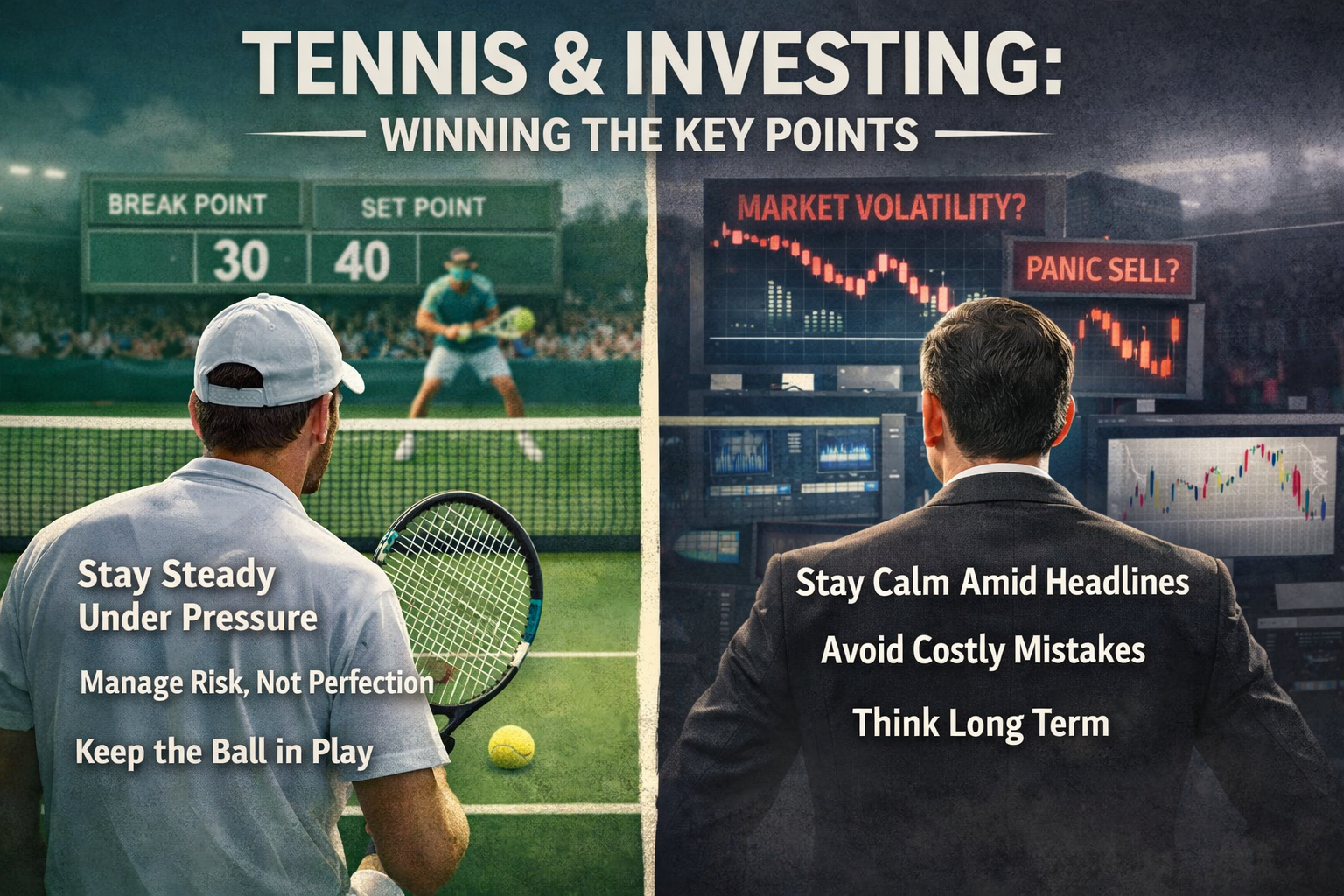
Even if you’re not much of a tennis fan you’re probably aware of the fact that tennis has a bit of a quirky scoring system. That’s because not all points carry the same weight; it’s possible to win fewer points overall but still win the match. Consistency is the bedrock of solid tennis, but all players make errors every time they step on the court. The thing about errors though is that avoiding them is impossible but managing them isn’t. Top players understand that some moments matter more than others. They may miss shots during routine points, but on break points, set points, or tiebreakers, their focus sharpens. They’re disciplined about keeping the ball in play when the stakes are highest, often forcing their opponent to crack first.
What this means is that you can play better most of the time and still lose. You can lose if your mistakes are poorly timed. However, if you can avoid the costly mistakes and always keep the ball in play on the key points, you can win a lot of matches. What makes it so impressive when a player can dominate those important points is that tension in the score directly impacts the ease of errors. That “easy” ball becomes easy to whiff under pressure.
Investing works much the same way. Over a lifetime, consistent behavior can be undone by a few poorly timed decisions. Instead of a scoreboard creating pressure, investors face headlines, market swings, and uncertainty. When those intensify, it’s the equivalent of a critical point in tennis—exactly when mistakes are most tempting and most damaging.
A few takeaways:
- The goal isn’t perfection; it’s minimizing costly mistakes at critical moments.
- Discipline matters most when pressure is highest.
- Flashy wins don’t guarantee long-term success.
- Consistency over time is what ultimately carries the match.
It’s not the sort of stuff that makes highlight reels or financial headlines. It’s the boring everyday consistency that goes quietly unnoticed most of the times but is a foundational bedrock when things get tense.
You don’t need to win the match on every shot, you just need to keep the ball in play. Focusing on how to hit winners might seem more exciting, but avoiding expensive errors will win you more matches. You don’t need to win every point, or make the perfect move at every turn. Whether in tennis or investing, success often comes down to staying steady, managing risk, and avoiding the few mistakes that matter most.
Related Reading: Time heals all wounds, except panic selling
Related reading: